
TAMKO Building Products in Dallas
The Facts on Emission Data and Operations




For more than 40 years, TAMKO has been part of the fabric of South Dallas, providing stable, good-paying jobs for nearly 125 local employees and supporting families across North Texas.
Founded in 1944, TAMKO is an American, family-owned company with a long history of safe operations, environmental stewardship, and community support. Today, concerns raised about local air quality have led some to call for the facility to be moved or closed, which puts local jobs and community investments at risk. We have operated in Dallas for 40 years and employ nearly 125 people, growing our workforce by almost 19% since 2022. This outpaces local and statewide averages and underscores our commitment to Dallas families. Our Dallas facility is proud to manufacture the award-winning Titan XT shingle.
Our top priority is the health and safety of our employees, neighbors, and the wider South Dallas community.
Understanding the Real Sources of PM2.5 Emissions in South Dallas
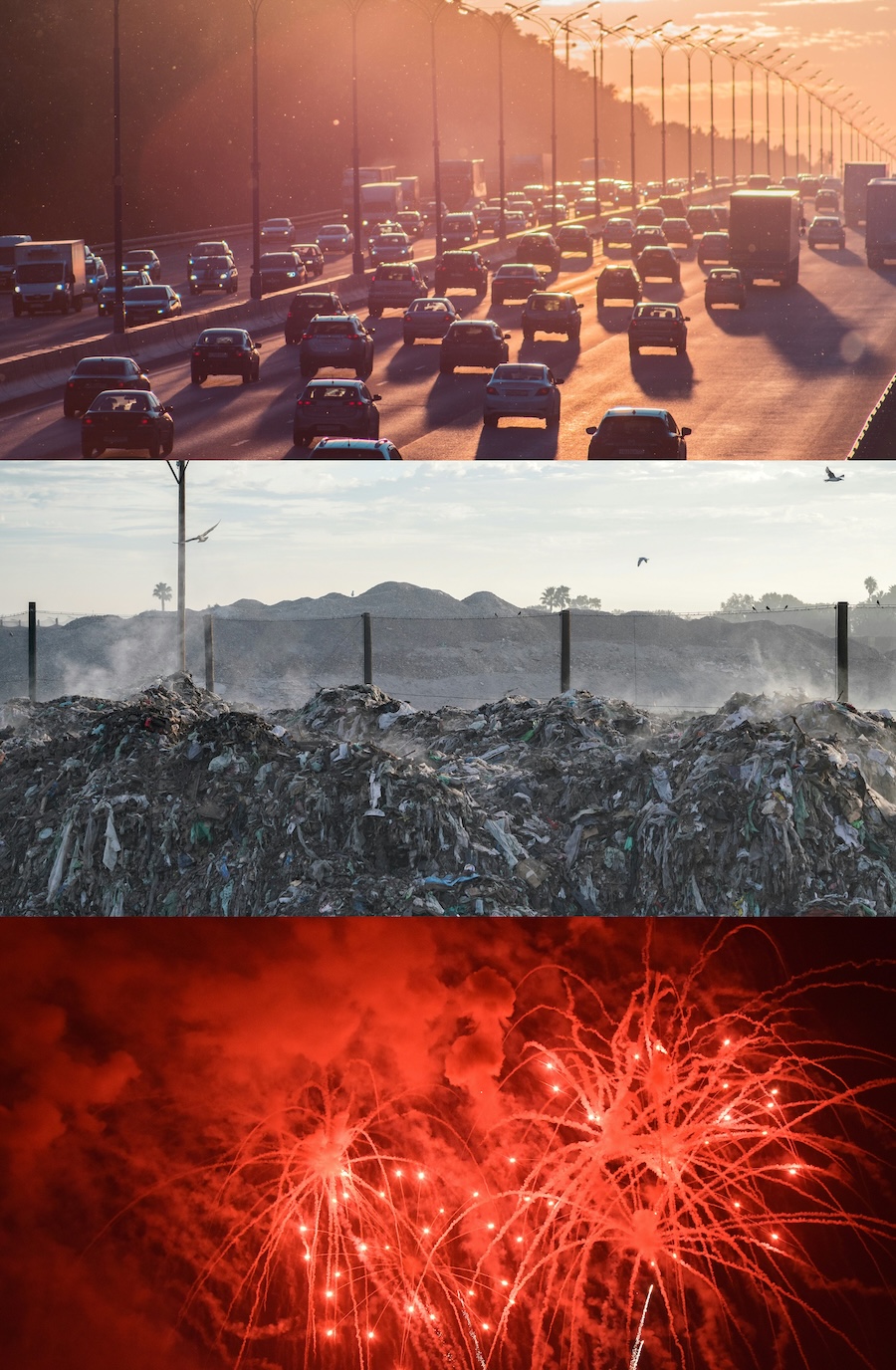
The predominant sources of PM2.5 in Dallas are:
- Landfills
- Cars, trucks, and trains (diesel and gasoline engines)
- Construction and roadwork dust
- Certain industrial processes like the manufacturing of cement
- Natural regional events, including dust storms and wildfire smoke
Compared to these sources, TAMKO’s emissions contributions are immaterial.
Prevailing Winds Carry Emissions Away From Joppa — Not Toward It
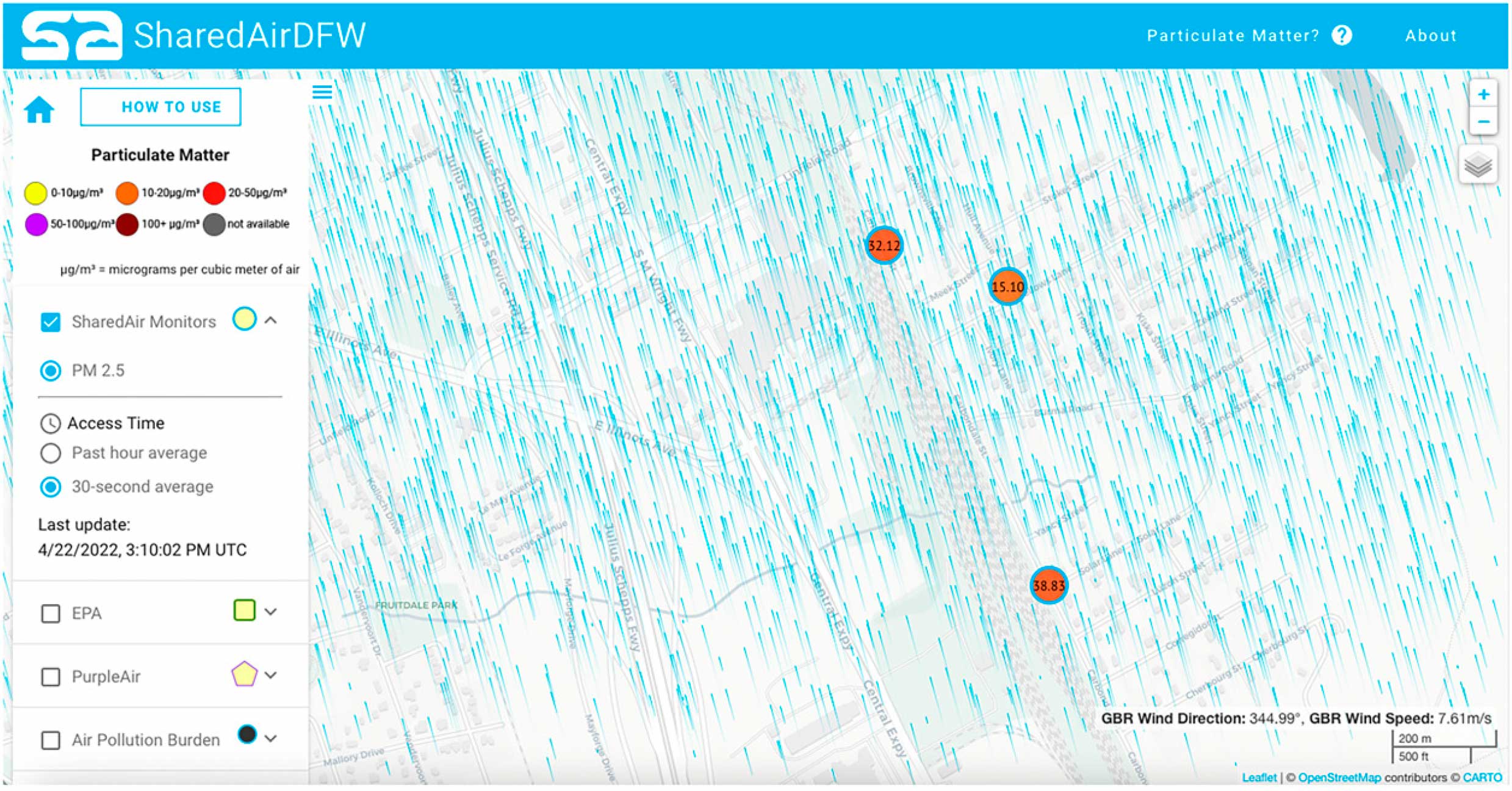
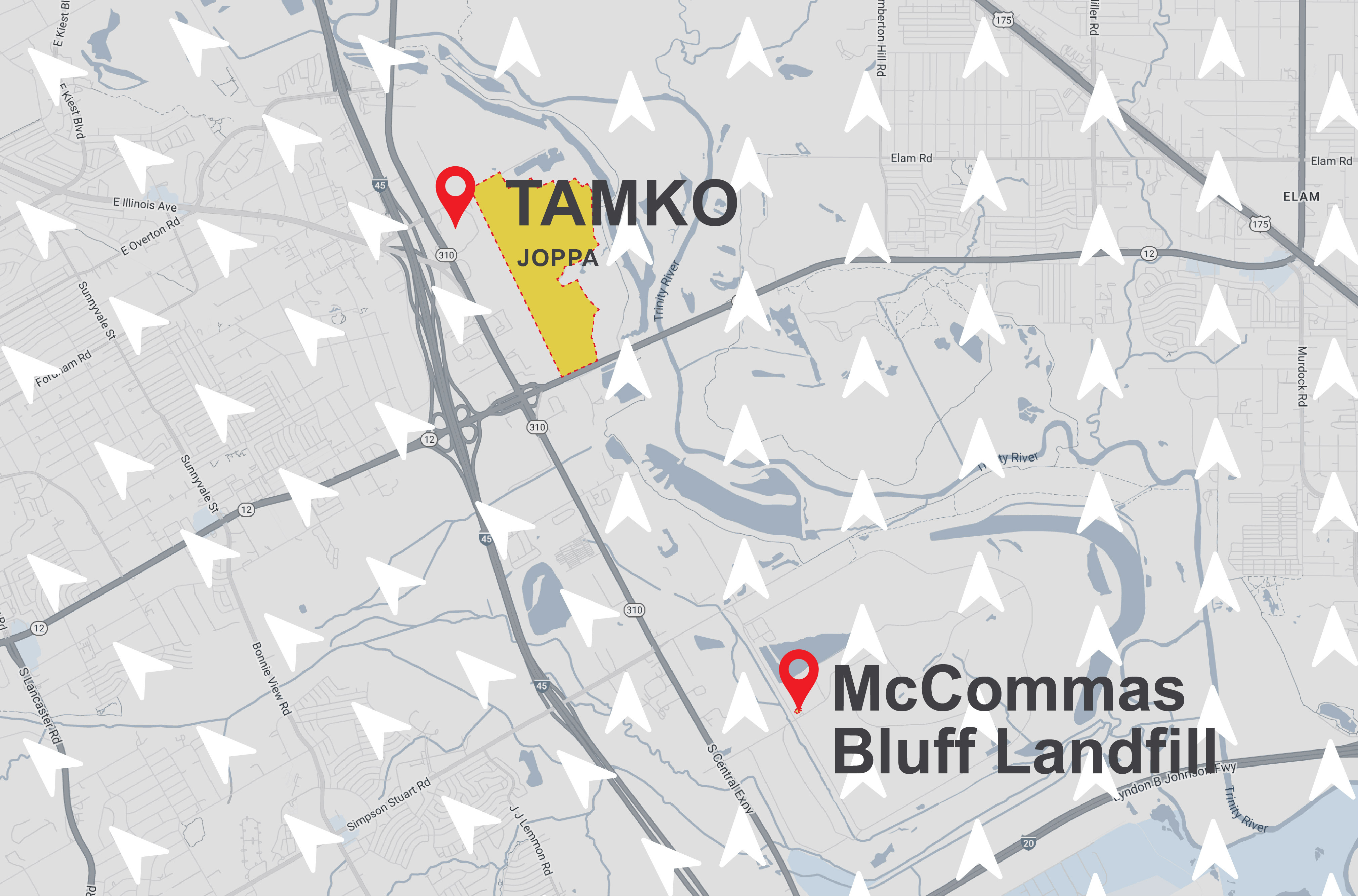
For emissions from our plant to even reach Joppa, the wind would need to blow directly east. But nearly 9 out of 10 times, the wind blows to the north or northwest — away from Joppa (Joppee).
.png)

Blue lines indicate NW wind direction
Nearby Sources Far Exceed TAMKO'S Emissions
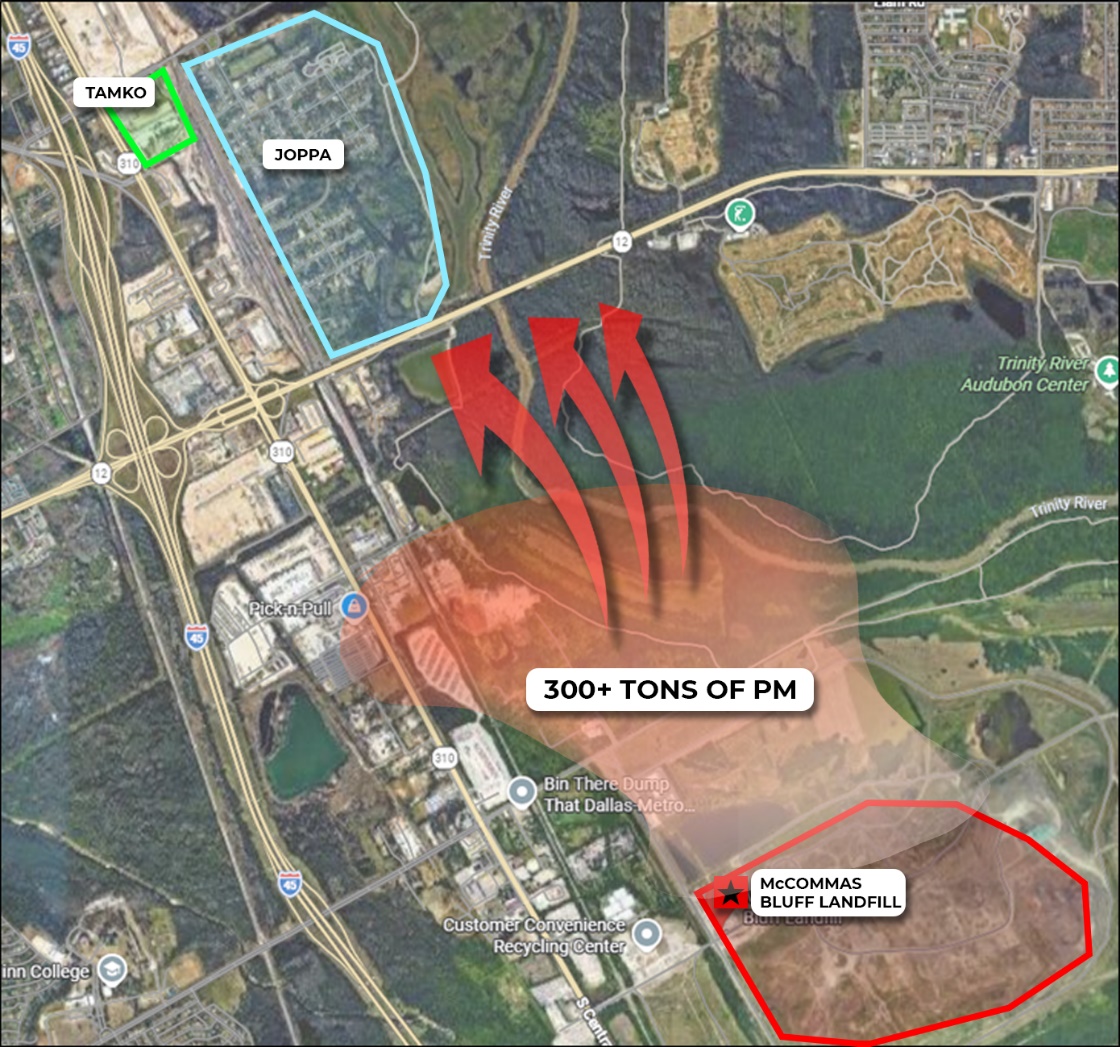
Publicly available TCEQ data shows that the McCommas Bluff Landfill, located about two miles downwind of Joppa, emitted more than 300 tons of particulate matter in 2023, nearly 10 times the amount of PM pollution reported by any other facility in Dallas.
Air Monitoring Proves TAMKO Is Not Driving High Readings
TAMKO operates EPA-grade air monitors that continuously measure particulate levels. The data is clear:

High PM2.5 readings often occur when the TAMKO plant is not operating, including holidays such as July 4.
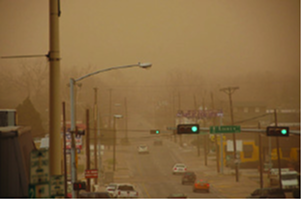
Regional events, including wildfires, Saharan dust, West Texas dust, cause many of the area's largest spikes.

Daily PM2.5 patterns match commuter traffic, not plant activity.
Saharan Desert Dust Storm
June 27, 2020
Saharan Desert Dust Storm
June 13-14 & 16-17, 2022
Dust from West Texas
Feb. 27, 2023
Saharan Dust Storms & Regional Wildfires
Aug. 1, 2024
Dust & Smoke from West Texas & Mexico
March 14-15, 2025
Indicates high levels of PM2.5 Concentration
Data shows that high PM2.5 readings are unrelated to TAMKO's operations.
TAMKO’s Regular Employee Monitoring Demonstrates a Safe, Well Controlled Emission Facility
TAMKO routinely monitors workplace air quality to ensure employee safety from asphalt fumes and silica dust. Over the past few years in the TAMKO facility:
- Average silica dust exposure measured 0.0063 mg/m³, about four times lower than OSHA's permissible exposure limit.
- Average asphalt fume exposure measured 0.048 mg/m³, more than ten times lower than the limit recommended by the American Conference of Governmental Industrial Hygienists (ACGIH).
Based on these consistently low exposure levels, TAMKO is not aware of any employee illnesses or injuries related to silica dust or asphalt fume exposure.
.png)
TAMKO’s Economic Impact on Dallas and Texas
TAMKO injects $20 million annually into the Dallas-Fort Worth economy through payroll, local taxes, vendor partnerships, and ongoing community investments. Over the next 25 years, TAMKO is expected to contribute an additional $3.5 billion in real GDP to Texas, after accounting for discounting.
Cost of Amortization:
$500 million
Relocating this facility would require building an entirely new roofing plant, with total costs estimated to be $500 million. But the real financial impact of relocation goes far beyond building the new facility.
TAMKO’s Dallas plant is a critical supplier for roofing distributors and contractors throughout the DFW region. These businesses depend on TAMKO’s local production to maintain efficient logistics and manage costs. If forced to source materials from outside the area, their transportation and supply costs would rise significantly. Those costs would ultimately be passed on to local homeowners.
Other associated costs not accounted for in current estimates:
- Demolition and remediation costs for the existing site, as well as any other costs related to closure of the plant.
- Diminution in the market value of TAMKO's Dallas plant.
- Substantial economic losses to both the city and the state, along with job losses and broader workforce impacts.
Other manufacturers cost estimates for building a new facility:
About

Understanding PM2.5
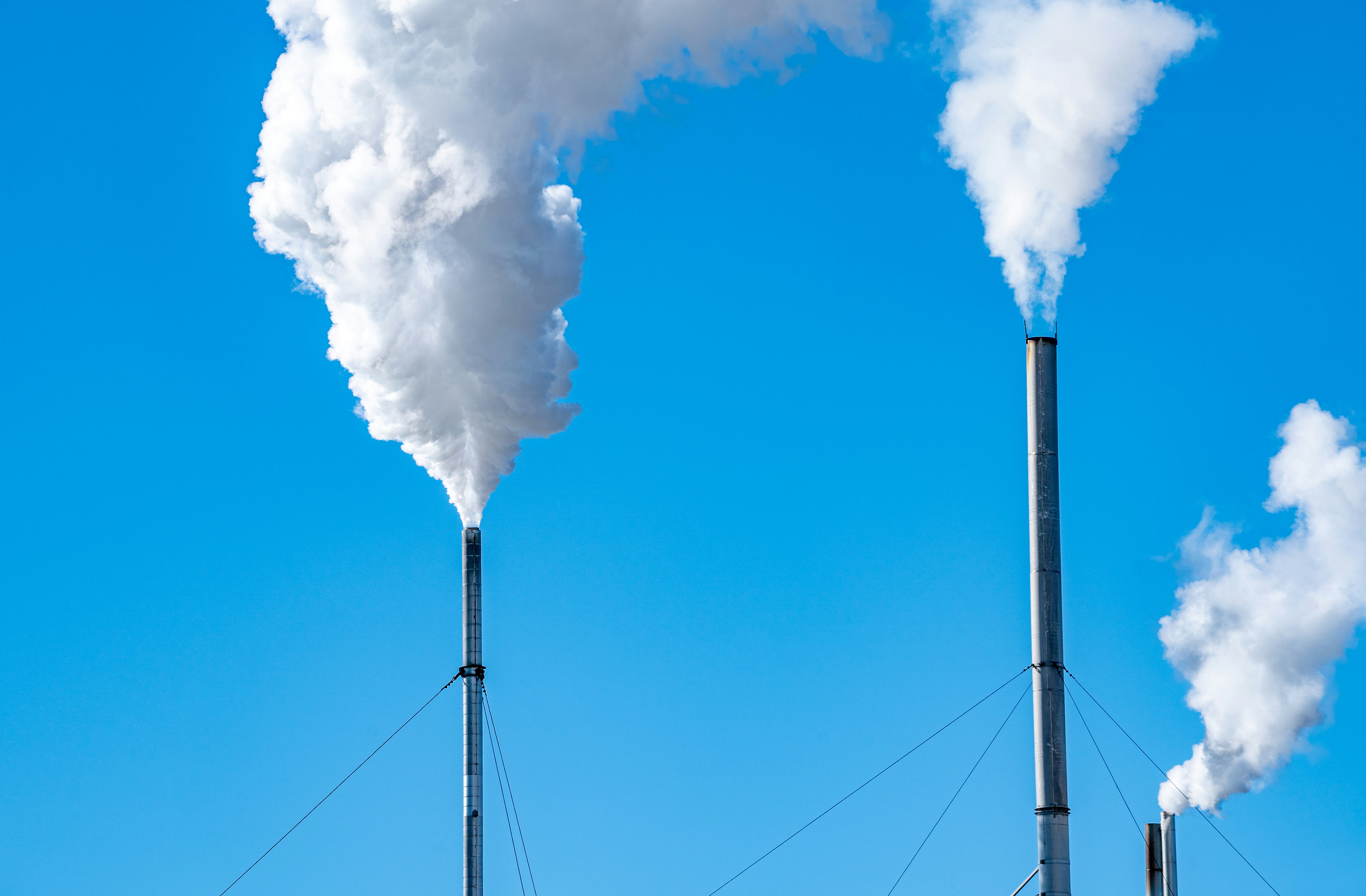
PM2.5 refers to very tiny droplets in the air made up of a mixture of solid particles and liquid droplets.
Learn More
Our Commitment to Controlling PM2.5 Emissions
At TAMKO, we are committed to sustainable practices that benefit our community and employees.
Learn More

Our Sustainability Practices
Since 2015, TAMKO has invested approximately $25 million in various environmental control upgrades at the Dallas facility.
Learn More
Read the FAQ
By The Numbers
Global land area is exposed to PM2.54

Investment TAMKO has made in various environmental control and plant upgrades in Dallas since 2015

TAMKO Dallas’ projected reductions to potential PM2.5, VOCs, and sulfur dioxide emissions once all environmental control upgrades are complete
What are PM2.5 emissions?
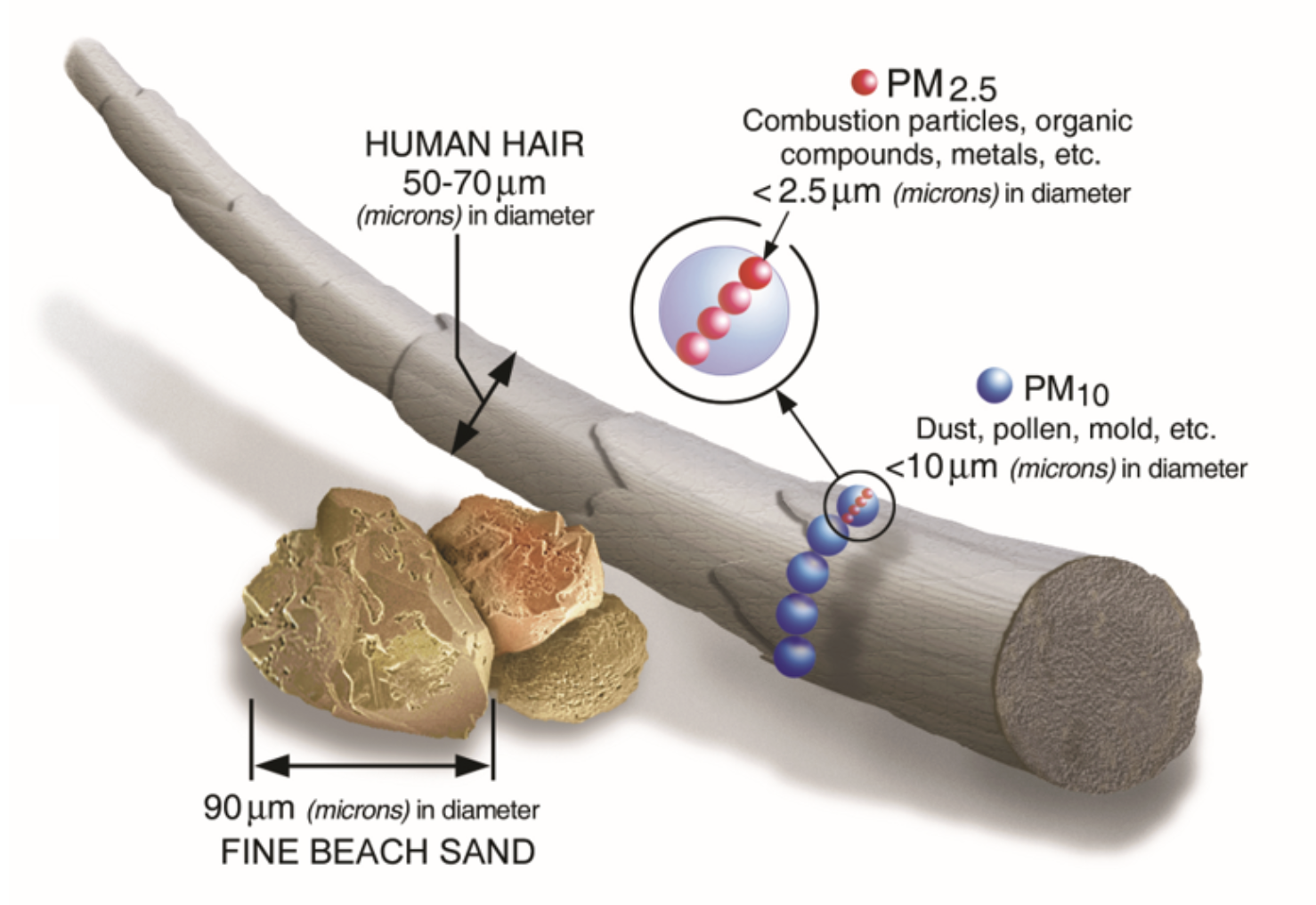
PM2.5 refers to very tiny droplets in the air made up of a mixture of solid particles and liquid droplets.
“PM2.5” stands for particulate matter less than 2.5 microns in diameter.1 PM2.5 comes from a variety of sources, like exhaust from vehicles, smoke and ash from wildfires, and biomass cook-stove pollution, as well as sulfate aerosols from power generation and even desert dust.
PM2.5 is found everywhere; in fact, about 99% of people on Earth are exposed to levels of PM2.5 above the World Health Organization (WHO) guideline levels.4
Our Commitment to Controlling PM2.5 Emissions
At TAMKO, we are committed to sustainable practices that benefit our community and employees. Our Dallas facility is equipped with state-of-the-art environmental capture and control systems.
In August 2025, the Texas Commission on Environmental Quality approved the renewal of TAMKO’s air permit, further validating our compliance and commitment.


By striving to adhere to local, state, and federal guidelines, we ensure our operations remain clean and safe, reinforcing our commitment to reducing emissions and promoting a healthier environment for our employees and communities.

Continuing Investments in Environmental Control
Since 2015, TAMKO has invested approximately $25 million in various environmental controls and plant upgrades at our Dallas facility.
Taken together, these projects will result in significant reductions to TAMKO’s emission profile, including a 45% reduction in PM2.5, VOCs, and sulfur dioxide emissions.
Sustainable Recycling Practices
TAMKO works with appropriate recycling and disposal facilities to safely remove or recycle materials as needed.
We fully support safe and sustainable operations and disposal practices and do not condone any business doing otherwise.


Air Monitoring and Industrial Hygiene Programs
TAMKO has one of the most robust internal air monitoring and industrial hygiene programs in our industry.
Over many years, we have heavily invested time and resources to continue our efforts to promote air quality at our Dallas location.
Based on environmental best practices, we took great care to ensure that improvements to the facility were made to reduce emissions and protect air quality. These improvements include updated emissions capture and control equipment on the plant’s two production lines, as well as the replacement of its current thermal oxidizer environmental control equipment with a thermal oxidizer that has a larger capacity and also lower NOx emissions.
In recent years, TAMKO has also made a number of operational changes at the Dallas facility. In addition to new environmental emission controls, TAMKO reduced truck traffic on local roads by staging third-party trucks picking up finished products in a nearby parking lot. TAMKO has also invested millions of dollars to pave roadways in and around the plant to minimize the dust from trucks maneuvering around the facility.
Additionally, we conduct a workplace monitoring program to track our employees’ exposure in the factory workplace to asphalt fumes and silica. Over the past few years, the Dallas plant’s monitoring results show that average silica dust exposure was 0.0063 mg/m³ - about 4 times lower than OSHA’s limit of 0.025 mg/m³. For asphalt fumes, the average was 0.048 mg/m³ - over 10 times lower than the threshold limit of 0.5 mg/m³ recommended by the ACGIH (American Conference of Governmental Industrial Hygienists).

Proudly Supporting Our Community
TAMKO has proudly and safely operated in the South Dallas area for 40 years. Our top priority is the health and safety of our employees, neighbors, and the wider community.
We proudly support our neighbors through community donations, sponsorships, and volunteer efforts. In Dallas, our giving totals roughly $250,000 over the last five years and supports organizations such as the South Central Civic League and the Melissa Pierce Project, with a focus on youth, health & wellness, togetherness, and historic preservation.
In addition to our charitable efforts, we are committed to the economic growth of Dallas County. Based on a recent Economic Impact Report drafted by University of Missouri Economics Professor Joseph Haslag, our Dallas facility is projected to generate over $2.6 billion in additional real GDP locally over the next 25 years, including more than $1.2 billion between 2025 and 2035 alone.6
We employ approximately 125 employees in Dallas, including approximately 95 employees at our Dallas plant, along with other investments totaling millions of dollars that we infuse into the local area by continued investments in the plant, local vendors, and through payroll and taxes yearly. Our commitment to local employment is evident: between 2022 and June 2025, employment at our Dallas facility grew by nearly 19 percent, outpacing both local and statewide averages by a wide margin.
Outside Recognition

TAMKO’s sustainability actions honored by Construction Business Outlook

Northstar Announces US$10.0 Million Strategic Investment from TAMKO Subsidiary
Citations
1How Fireworks Could Worsen Air Quality (forbes.com)
2Askariyeh MH, Venugopal M, Khreis H, BirtA, Zietsman J. Near-Road Traffic-Related Air Pollution: Resuspended PM2.5 from Highways and Arterials. IntJ Environ Res Public Health. 2020 Apr 21;17(8):2851
3Shapero, Andrew, Stella Keck, and Adam H. Love. 2023. "Background Influence of PM2.5 in Dallas–Fort WorthArea and Recommendations for Source Apportionment" Air 1, no. 4: 258-278
4PM2.5 | State of GlobalAir
5 TAMKO Building Products LLC, in Texas: A Quantitative Assessment of the State- and County-Level Impacts
6 Justice for Joppa: A Framework for Community-Engaged Research on Air Quality and Health | Environmental Justice
FAQs
Studies and emissions data show that the leading sources of particulate emissions in metropolitan areas like South Dallas come from vehicles (diesel and gasoline combustion engines) and trains, industrial and power plant point sources, construction and roadwork dust, landfills and natural regional influences (e.g., dust storms, wildfire smoke). TAMKO’s contribution is minimal in comparison.
According to data published by the Texas Commission on Environmental Quality (TCEQ), the McCommas Bluff Landfill, which is approximately 2 miles to the south, emitted more than 300 tons of PM, including almost 52 tons of PM2.5, in 2023.
Our air monitoring data validates that TAMKO’s Dallas plant emissions have little to no impact on air quality. In fact, the highest emissions we have measured over many years occurred when the plant was not even operating. And, for emissions from our plant to even reach the Joppa neighborhood (also known as Joppee), the wind would have to blow directly east. But nearly 9 out of 10 times, the wind blows to the north or northwest — not toward Joppa.
TAMKO, along with the EPA and academic institutions, have placed air quality monitors around the South Dallas area to measure air quality.
TAMKO’s monitors, which are highly accurate and meet strict performance requirements set by the EPA, are located close to our facility to ensure accurate readings.
TAMKO has one of the most robust internal air monitoring and industrial hygiene programs in our industry.
Since 2015, TAMKO has invested approximately $25 million in various environmental control and plant upgrades at the Dallas facility, projected to reduce already low potential emissions, including 45% reductions to potential PM2.5, VOCs, and sulfur dioxide emissions once all environmental control projects are completed.
Wind Direction Disproves TAMKO Was the Source — The wind rarely blew from TAMKO to Joppa during the study period.
No Source Analysis — The study did not determine (or even attempt to determine) where any air pollution in Joppa actually came from or whether TAMKO was responsible.
Paid Participation — The study only gathered opinions from a small group of Joppa residents — who were paid to participate — about how they felt the air affected their health.
In short, the Texas A&M report was about feelings and perceptions, not proof. It provided no scientific evidence linking TAMKO to negative impacts in Joppa.
Source: Justice for Joppa: A Framework for Community-Engaged Research on Air Quality and Health
No, TAMKO employees operate in a safe environment where routine workplace monitoring shows that average silica dust exposure is 0.0063 mg/m³—almost four times lower than OSHA’s permissible limit of 0.025 mg/m³—and average asphalt fume levels are0.048 mg/m³, more than ten times lower than the 0.5 mg/m³ threshold recommended by the American Conference of Governmental Industrial Hygienists (ACGIH).
Accordingly, people outside the plant are even less affected, as we have extensive environmental controls in place to capture and destroy emissions—supported by the Texas Commission on Environmental Quality’s renewal of TAMKO’s air permit in August 2025.
Since 2015, we’ve invested approximately $25 million in environmental control and plant upgrades,significantly reducing our impact.
We remain fully committed to the health and safety of our employees and surrounding communities, and consistently strive for full compliance with air quality standards, ensuring that any emissions remain within or below federal, state, and local limits.
Learn More About TAMKO
Explore locations, community initiatives, and company highlights.
-angled.jpg)